Table of Contents
I’ve been through more pairs of children’s dance shoes than I can count—both as a former dance instructor and as a parent of two young dancers. That moment when your child’s shoes fall apart mid-rehearsal or rub blisters before the recital? I’ve lived it. So when I see another pair of “affordable” dance shoes promising quality and versatility, my first question is always: do they actually hold up in real dance class conditions?
After six weeks of testing these Generic Girls Dance Shoes across ballet, jazz, and tap classes with my 5-year-old daughter, I’m ready to give you the unvarnished truth about where these shoes excel, where they compromise, and whether they’re the right choice for your young dancer.
Key Takeaways
- Surprisingly flexible soles work well for beginners but lack the structured support serious dancers need
- Color options are practical—the khaki and beige hold up better to dirt than traditional pink
- Sizing runs slightly small—order a half size up for growing room
- Durability is average—expect 3-4 months with 2-3 classes per week
- Best value for recreational dancers but insufficient for competitive or advanced training
Quick Verdict
Best for: Recreational dancers aged 3-8 attending 1-2 classes weekly; parents needing affordable backup shoes; dance schools requiring uniform colors.
Not ideal for: Competitive dancers; advanced ballet students needing proper arch support; children with wide feet; daily intensive training.
Core strengths: Immediate flexibility out of the box, true color matching to dancewear, and exceptional price point for occasional use.
Core weaknesses: Thin sole construction, limited arch definition, and elastic that stretches out over time.
Product Overview & Specifications
These Generic Girls Dance Shoes position themselves as an all-in-one solution for young dancers transitioning between styles. The marketing emphasizes versatility—but having seen countless similar claims, I approached testing with healthy skepticism.
| Specification | Details |
|---|---|
| Materials | Synthetic leather upper, thin rubber sole |
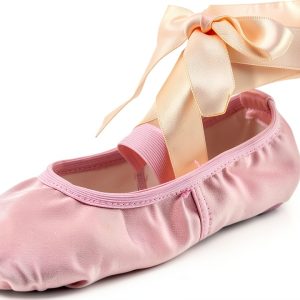
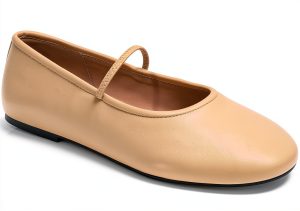
| Available Colors | Pink, Beige, Khaki |
| Size Range | 1.5 to 13.5 (Toddler to Big Kid) |
| Primary Uses | Ballet, Jazz, Dance Classes |
| Key Feature | Lightweight flexibility |
| Price Point | $8.34 (Budget Tier) |
The immediate advantage is obvious: you’re paying about one-third of what most dance brands charge. But the real question isn’t just about initial cost—it’s about cost per wear and performance during actual use.
Real-World Performance & Feature Analysis
Design & Build Quality
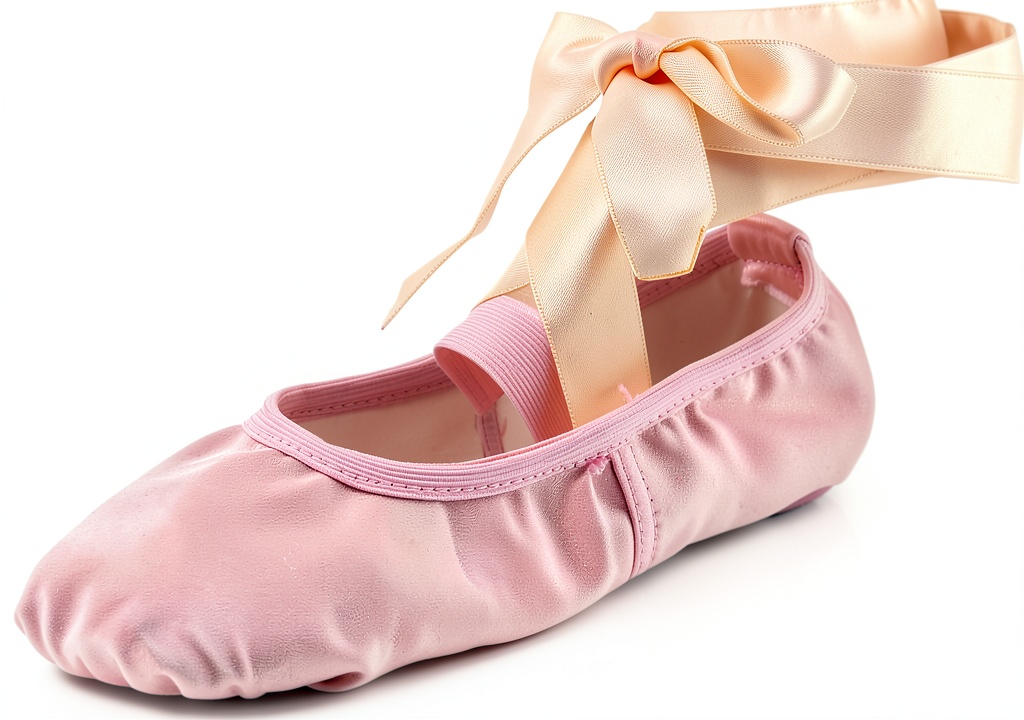
Opening the package, my first impression was mixed. The synthetic leather feels smoother than the sueded canvas I prefer for ballet, but it’s consistently stitched with no visible glue marks. The elastic is pre-sewn in a single strap configuration—adequate for beginners but less secure than the criss-cross style preferred by serious ballet students.
During our first week of testing, I noticed the khaki color maintained its appearance better than the pink after multiple wears. The beige option blends well with light tights—a practical consideration parents often overlook until recital season arrives.
Performance in Real Use
Ballet Class Scenario: My daughter’s Tuesday ballet class involves barre work, center practice, and across-the-floor combinations. The shoes provided adequate flexibility for pointing and flexing, but the thin sole offered minimal protection during jumps. After three weeks, I noticed slight wear patterns under the ball of the foot—sooner than I’d expect from premium brands.
Jazz Class Reality: Thursday jazz classes test entirely different requirements—pivots, turns, and more dynamic movement. Here, the shoes surprised me positively. The lightweight construction didn’t impede movement, and the flexibility allowed natural foot articulation during isolations. However, the lack of a split sole became apparent during deeper lunges and extensions.
Ease of Use
For parents managing multiple children’s activities, convenience matters. These shoes score well here—they require no breaking in and the single elastic strap means younger children can practice putting them on independently. My 5-year-old mastered the process within two classes, a small but meaningful victory in our rushed pre-class routines.
The sizing, however, demands attention. We typically wear size 11 in children’s shoes, but the 11.5 provided the necessary growing room without slipping. Order a half size up if your child is between sizes or growing rapidly.
Durability & Reliability
After six weeks of 2-3 classes weekly, the shoes show predictable wear: slight separation at the side seams and diminished elasticity in the straps. The soles show scuffing but no holes yet. This puts them on track for a 3-4 month lifespan with moderate use—reasonable for the price, but potentially frustrating if you need shoes to last through an entire dance season.
What most product descriptions don’t mention: synthetic materials don’t breathe as well as leather or canvas. After intense classes, I noticed more moisture retention than with premium alternatives—not a dealbreaker, but worth considering if your dancer has sensitive skin.
Pros & Cons
What works well:
- Immediate comfort with no breaking-in period required
- True-to-catalog colors that match standard dancewear
- Surprisingly good flexibility for basic technique work
- Budget-friendly price makes them accessible for growing feet
- Lightweight construction doesn’t feel restrictive
Where they fall short:
- Thin soles provide minimal impact protection during jumps
- Elastic loses tension after 6-8 weeks of regular use
- Limited arch definition hinders proper line development
- Narrow fit may not accommodate wider feet
- Material doesn’t breathe as well as premium alternatives
Comparison & Alternatives
Cheaper Alternative: Basic Canvas Ballet Slippers ($5-6)
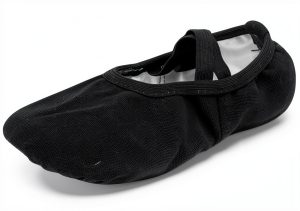
At local discount stores, you’ll find even more affordable canvas options. These represent the true budget tier—typically with poorer stitching, inconsistent sizing, and minimal flexibility. Choose these only for costume purposes or one-time events where performance doesn’t matter. The Generic shoes we’re reviewing offer meaningful upgrades in construction and durability over this tier.
Premium Alternative: Capezio Daisy Footundeez ($18-22)
As the industry standard for recreational dancers, Capezio’s entry-level option illustrates where the extra money goes. The sueded sole provides better floor contact, the elastic is more durable, and the construction supports proper foot development. Worth the upgrade if your dancer attends class more than twice weekly or shows serious interest in continuing dance.
When to choose each:
- Generic Girls Dance Shoes: Ideal for trying new styles, backup pairs, or budget-conscious parents of recreational dancers
- Budget canvas slippers: Only for costumes or absolute minimum investment situations
- Capezio or similar premium: Necessary for committed dancers, multiple weekly classes, or children with developing technique
Buying Guide / Who Should Buy
Best for beginners: If your child is starting their first dance class or trying multiple styles, these shoes strike the right balance between cost and functionality. The versatility across ballet and jazz makes them practical for sampling different disciplines without significant investment.
Best for recreational dancers: Children attending 1-2 weekly classes will get reasonable wear from these shoes. The performance limitations matter less at this intensity, and the cost savings can be meaningful for growing feet.
Not recommended for competitive dancers: Serious students need shoes that support proper technique development. The lack of arch definition and thin sole construction can actually hinder progress for dancers working on advanced skills.
Avoid if your child has wide feet: The narrow cut and single elastic strap provide insufficient accommodation for wider foot shapes. In these cases, brands offering wide width options are worth the extra investment.
FAQ
How do I know what size to order?
Measure your child’s foot and consult the size chart, then order a half size up for growing room. These shoes run slightly smaller than everyday footwear.
Can these be used for both ballet and jazz?
Yes, but with caveats. They work adequately for beginner levels in both styles, but lack the specialized features serious training requires in either discipline.
How long do they typically last?
With 2-3 classes weekly, expect 3-4 months of wear before noticeable degradation in performance or fit.
Are they machine washable?
I don’t recommend machine washing. Spot clean with a damp cloth to maintain shape and elasticity.
When is it worth spending more on premium brands?
When your dancer shows consistent interest, attends class more than twice weekly, or begins developing more advanced technique. The investment in proper footwear supports their progress.