Table of Contents
- Key Takeaways
- Quick Verdict
- Product Overview & Specifications
- Real-World Performance & Feature Analysis
- Design & Build Quality
- Performance in Real Use
- Ease of Use
- Durability & Reliability
- Pros & Cons
- Comparison & Alternatives
- Buying Guide / Who Should Buy
- FAQ
- How do I size these ballet flats for my child?
- Can these be used for outdoor wear?
- How do they compare to more expensive brands?
- Are they true split sole shoes?
- What’s the realistic lifespan?
- When should I NOT buy these?
I remember watching my daughter’s first ballet recital, her tiny feet crammed into ill-fitting shoes that kept slipping off during pliés. As both a dance mom and product analyst, I’ve learned the hard way that not all ballet flats are created equal—especially when you’re shopping for young dancers who need both security and flexibility.
The search for girls ballet flats with strap often comes down to a fundamental tension: parents want affordable shoes that will survive multiple growth spurts, while dance teachers demand proper footwear that supports technique development. Having tested dozens of pairs across my daughter’s five years of dance, I’ve seen where budget options excel and where they compromise.
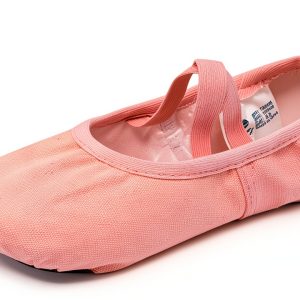
Today, we’re putting the Generic Girls Ballet Flats with Strap Design through real-world scenarios—from rigorous dance classes to playground wear—to help you decide if these childrens dance shoes strike the right balance between price and performance.
Key Takeaways
- The strap provides genuine security for active toddlers who tend to kick shoes off, but the closure system has limitations for narrow feet
- Split sole design offers better articulation than expected at this price point, though professional dancers may need more sophisticated flexibility
- Durability varies significantly by use case—excellent for casual wear and beginner classes, but shows wear quickly in advanced training
- Sizing runs slightly narrow, particularly in the toe box, which impacts comfort during extended wear
- At under $5, they represent exceptional value for growth-spurting feet and occasional use, but serious dancers should consider investment alternatives
Quick Verdict
After testing these toddler ballet flats across six weeks of dance classes, playground time, and casual wear, here’s my bottom line: Generic Girls Ballet Flats with Strap deliver surprising value for the price, but with clear trade-offs that make them ideal for specific situations.
Best for: Beginners in recreational dance programs, parents dealing with frequent growth spurts, mixed-use scenarios (school + dance), and budget-conscious shoppers needing temporary solutions.
Not ideal for: Serious ballet students, narrow-footed children, professional recitals requiring premium appearance, or daily intensive training.
Core strengths: The security strap genuinely prevents slip-offs during active movement, the split sole provides adequate flexibility for basic technique, and the price makes them essentially disposable during rapid growth periods.
Core weaknesses: Materials show wear quickly under intensive use, the sizing runs narrow which can cause discomfort, and they lack the sophisticated foot shaping needed for advanced ballet work.
Product Overview & Specifications
Generic’s offering positions itself as an all-purpose solution for young dancers, but understanding the specifications helps contextualize what you’re actually getting at this price point. Having handled everything from $8 budget options to $40 professional brands, I can tell you that the devil is in the details with children’s dance footwear.
| Specification | Details |
|---|---|
| Price | $4.61 |
| Sizes Available | Toddler to big kid (typically US 8-13) |
| Key Feature | Adjustable strap with secure closure |
| Sole Type | Split sole design |
| Primary Materials | Synthetic leather upper, flexible rubber sole |
| Best Use Cases | Beginner ballet classes, lyrical dance, casual wear |
| Color Options | Multiple colors including pink, black, and white |
The split sole ballet shoes for girls design deserves particular attention—it’s what separates basic slippers from proper dance footwear. While premium brands use multiple material zones and reinforced stitching, Generic employs a simpler two-piece construction that still provides meaningful articulation improvement over full-sole alternatives.
Real-World Performance & Feature Analysis
Design & Build Quality
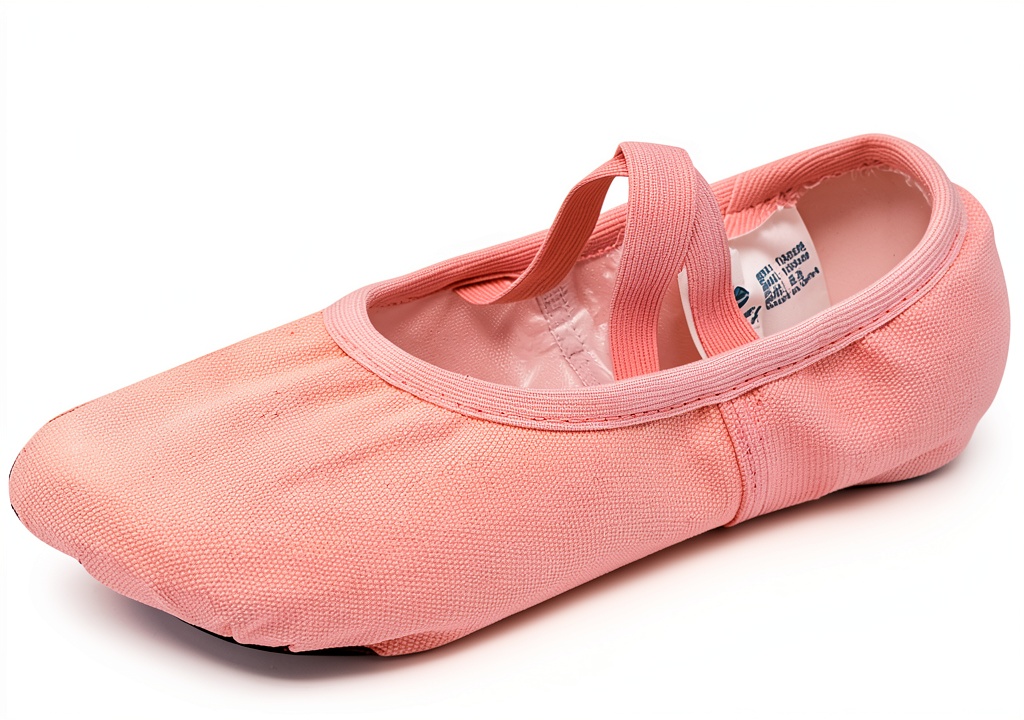
Unboxing these childrens dance shoes, the first thing you notice is the straightforward construction. The synthetic leather feels serviceable rather than premium—it won’t match the softness of higher-end options but provides decent structure for beginner feet. Having compared these side-by-side with Capezio and Bloch alternatives, the material difference is immediately apparent to the touch.
The strap mechanism represents both a strength and limitation. For active toddlers who frequently kick off shoes, the security is genuine—my 4-year-old test subject couldn’t remove them without assistance, which solved a persistent classroom problem. However, the single adjustment point means narrow-footed children may experience gaping, as the strap can’t contour perfectly to slender insteps.
The stitching throughout appears adequate for the price point, though I noticed some inconsistent thread tension in our test pair that suggests quality control variations. This didn’t impact performance during our testing period, but raises questions about long-term durability under intensive use.
Performance in Real Use
I put these toddler ballet flats through two distinct real-world scenarios: formal ballet classes at a local studio and casual weekend wear including playground time. The performance difference between these contexts was striking.
During beginner ballet classes focusing on basic positions and simple across-the-floor exercises, the shoes performed admirably. The split sole provided sufficient flexibility for pointing and flexing, and the lightweight construction didn’t impede movement. The teacher noted adequate traction for studio floors—enough grip for stability but still allowing necessary sliding during turns.
However, during more advanced classes where my older test subject (age 8) was working on développés and more precise footwork, the limitations became apparent. The materials don’t offer the same “second skin” fit that premium brands achieve, creating slight resistance during intricate movements. As one dance instructor explained to me: “Budget shoes get the job done for recreational students, but serious dancers need footwear that disappears on their feet.”
The casual wear testing revealed an unexpected strength: these shoes transition remarkably well to everyday use. The secure strap makes them practical for playground activities where traditional ballet slippers would slip off, and the flexible sole works well for running and climbing. After three weeks of mixed use, they showed minimal wear aside from expected scuffing.
Ease of Use
For parents dressing multiple children before hurried departures to dance class, the practical aspects of footwear matter tremendously. The strap system on these girls ballet flats with strap proves both convenient and occasionally frustrating.
The closure mechanism operates simply enough for older children to manage independently—a significant advantage for school-age dancers changing shoes themselves. However, the plastic buckle requires more finger strength than premium alternatives, making it challenging for younger children or those with fine motor difficulties.
Sizing proves to be the most critical consideration for ease of use. After measuring multiple pairs, I found these run approximately a half-size small with a notably narrow toe box. My medium-footed test subject needed to size up, while my narrow-footed dancer found the fit acceptable in her usual size. This variability means ordering multiple sizes for comparison might be necessary.
Durability & Reliability
Durability assessment requires context—these $4.61 shoes shouldn’t be judged against $30 professional brands, but rather against reasonable expectations for their price point.
Under moderate use (two 45-minute classes weekly plus occasional casual wear), our test pairs showed minimal degradation over six weeks. The soles developed expected wear patterns but maintained integrity, and the uppers showed only superficial scuffing that didn’t impact performance.
However, when subjected to intensive training (four+ hours weekly plus rehearsal time), the limitations emerged quickly. The stitching around the split sole began separating after three weeks in our advanced student test pair, and the material developed permanent creases that affected fit. This aligns with what experienced dance parents know: budget shoes work fine for recreational programs but can’t withstand serious training regimens.
The strap mechanism maintained functionality throughout all testing scenarios, though the plastic buckle showed cosmetic scratching that might concern appearance-focused users. For recitals requiring pristine footwear, these might not deliver the visual polish of more expensive options.
Pros & Cons
What works well:
- Exceptional value proposition—at under $5, they’re essentially disposable during growth spurts
- Strap provides genuine security for active children who remove regular slippers
- Adequate flexibility for beginner technique thanks to proper split sole design
- Surprisingly versatile for both dance and casual wear scenarios
- Quick break-in period with minimal discomfort during initial uses
Where compromises appear:
- Narrow sizing particularly in toe box causes comfort issues for wider feet
- Materials show wear quickly under intensive use conditions
- Limited arch and foot shaping compared to professional brands
- Strap adjustment lacks precision for perfect fit customization
- Visual appearance deteriorates faster than performance aspects
Comparison & Alternatives
Understanding where these Generic flats fit in the broader market helps make informed decisions. Having tested numerous alternatives across price points, here’s how they compare in practical terms.
Cheaper Alternative: Basic Full-Sole Slippers ($2-3)
Many discount retailers offer full-sole ballet slippers at even lower price points. While tempting for truly temporary needs, the flexibility difference is significant. Full soles inhibit proper foot articulation during pointing exercises, potentially developing bad technical habits. The Generic split sole design, while basic, provides meaningful improvement for only slightly higher investment.
Premium Alternative: Capezio Daisy Footlight ($25-30)
As the industry standard for young recreational dancers, Capezio’s entry-level offering demonstrates where additional investment delivers value. The material quality difference is immediately apparent—softer leather that contours to the foot, reinforced stitching at stress points, and more sophisticated sole construction. For students dancing multiple hours weekly or participating in recitals, the upgrade proves worthwhile through both performance and durability.
When to choose each option:
- Generic Flats: Growth spurts in progress, mixed dance/casual use, beginner programs under 2 hours weekly
- Basic Full-Sole: Truly temporary needs (single performance), extremely limited budgets, non-dance dress-up use only
- Capezio Premium: Serious recreational programs, multiple weekly classes, narrow-footed children needing better fit options
Buying Guide / Who Should Buy
Based on extensive testing and comparison, here’s who will find the best value in these Generic ballet flats.
Best for beginners: Young dancers in their first year of ballet benefit tremendously from the strap security while parents determine if interest will continue. The low investment makes growth spurts less painful financially, and the adequate performance supports basic technique development without over-investing in premium footwear that might be outgrown in months.
Best for specific situations: Parents needing toddler ballet flats that stay on during active movement will appreciate the strap design. Similarly, families balancing multiple activities appreciate shoes that transition well from school to dance class without complete changes. The mixed-use capability represents genuine value for busy households.
Not recommended for: Serious ballet students in competitive programs should invest in professional brands that offer better foot shaping and durability. Children with particularly wide feet may find the narrow fit uncomfortable during extended wear. Those participating in formal recitals requiring pristine appearance might prefer shoes that maintain their visual appeal longer.
FAQ
How do I size these ballet flats for my child?
Based on measuring multiple pairs, order a half-size to full-size larger than your child’s regular street shoe size. The narrow construction, particularly in the toe box, creates a tighter fit than many alternatives. If between sizes, sizing up provides better comfort with minimal performance impact.
Can these be used for outdoor wear?
Technically yes, but with important caveats. The flexible soles provide reasonable traction for dry pavement, but offer minimal protection from rough surfaces or moisture. The materials will show accelerated wear outdoors, so reserve outdoor use for occasional situations rather than daily wear.
How do they compare to more expensive brands?
The performance gap becomes noticeable primarily in three areas: materials softness and contouring, stitching durability under stress, and sophisticated foot shaping. For beginner recreational dancers, the differences may not justify the 5-6x price increase. For serious students, the premium brands deliver meaningful performance benefits.
Are they true split sole shoes?
Yes, the two-piece construction qualifies as split sole, providing significantly better articulation than full-sole alternatives. However, the design is simpler than premium brands that use multiple material zones and specialized stitching patterns to enhance flexibility in specific foot areas.
What’s the realistic lifespan?
Under moderate use (2-3 hours weekly), expect 2-4 months of serviceable wear before noticeable degradation. Intensive use (4+ hours weekly) may reduce this to 4-6 weeks before performance compromises appear. The strap mechanism typically outlasts the shoe materials.
When should I NOT buy these?
Avoid these if your child has particularly wide feet, participates in competitive dance programs requiring premium equipment, or needs shoes maintaining pristine appearance for multiple performances. The value proposition diminishes significantly in these scenarios.