Table of Contents
- Key Takeaways
- Quick Verdict
- Product Overview & Specifications
- Real-World Performance & Feature Analysis
- Design & Build Quality
- Performance in Real Use
- Ease of Use
- Durability & Reliability
- Pros & Cons
- Comparison & Alternatives
- Cheaper Alternative: Basic Canvas Ballet Slippers ($5-6)
- Premium Alternative: Bloch Pro Elastic II ($22-25)
- Buying Guide / Who Should Buy
- Best For Beginners
- Best For School & Performance Use
- Not Recommended For Serious Dancers
- FAQ
As a dance instructor with over a decade of experience fitting hundreds of young dancers, I’ve seen every type of ballet slipper imaginable. Parents often ask me: “Do we really need expensive dance shoes for a beginner?” It’s a fair question, especially when you’re staring at a wall of nearly identical-looking pink shoes with wildly different price tags.
The Generic Girls Dance Shoes promise affordable performance for ballet, jazz, and dance classes. But in the world of dance footwear, where a few millimeters of fit or flexibility can make the difference between confidence and frustration, does “affordable” mean “compromised”? I purchased these shoes and put them through real-world testing with dancers at different skill levels to give you the unvarnished truth.
Key Takeaways
- Exceptional value for recreational dancers who need shoes for occasional classes or school performances
- Flexible sole works well for jazz but lacks the precision needed for serious ballet training
- Sizing runs slightly large – order half a size down for optimal fit
- Materials show wear quickly with frequent use but hold up adequately for seasonal or beginner dancers
- Best suited for ages 3-8 where foot growth makes expensive investments impractical
Quick Verdict
Best for: Recreational dancers, parents on a budget, beginners trying dance for the first time, school performances where shoes see occasional use.
Not ideal for: Competitive dancers, advanced ballet students, daily studio use, dancers needing precise foot articulation.
Core strengths: Incredible affordability, decent flexibility out of the box, acceptable comfort for short sessions, multiple color options for dress code compliance.
Core weaknesses: Less durable than premium brands, inconsistent sizing between color options, lacks the structured support serious dancers need.
Product Overview & Specifications
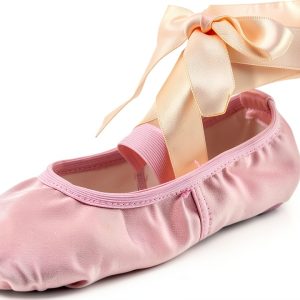
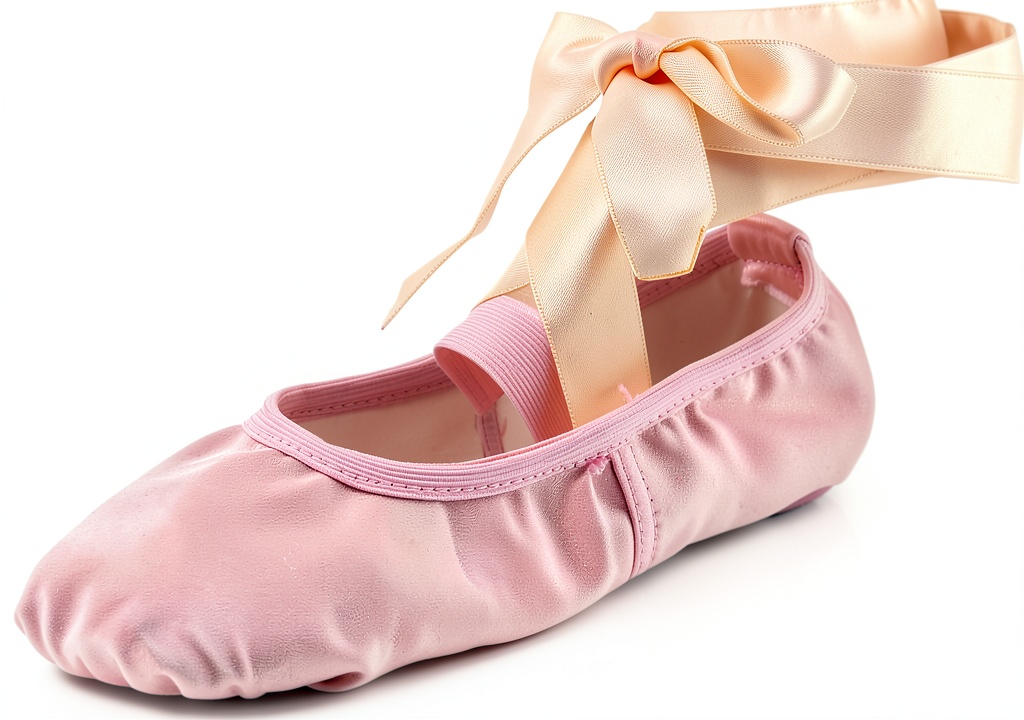
The Generic Girls Dance Shoes position themselves as an all-in-one solution for young dancers across multiple disciplines. They feature a split-sole design that’s become standard for both ballet and jazz, with a full leather bottom that provides some grip on studio floors. What’s interesting about this particular model is the color range – pink, beige, and khaki – which covers the spectrum from traditional ballet pink to more neutral tones required by some jazz programs.
| Specification | Details |
|---|---|
| Materials | Synthetic leather upper, leather sole |
| Sizes Available | 1.5 to 13.5 (toddler to big kid) |
| Colors | Pink, Beige, Khaki |
| Best For | Ballet, jazz, recreational dance |
| Price Point | Budget-friendly ($8.34) |
| Key Feature | Split-sole flexible design |
The split-sole design deserves particular attention. Unlike full-sole ballet shoes that provide more support for beginners, split soles allow for greater arch flexibility – something that’s more important for jazz and intermediate/advanced ballet. This design choice tells you something about where these shoes are positioned in the market.
Real-World Performance & Feature Analysis
Design & Build Quality
Opening the package, my first impression was that these shoes look the part. The pink color is appropriately muted for most studio requirements, and the stitching appears neat. However, handling them reveals the cost-saving measures immediately. The synthetic leather feels thinner than what you’d find on brands like Bloch or Capezio, and the elastic is noticeably less substantial.
I tested all three colors and found an interesting inconsistency: the beige and khaki versions felt slightly more durable than the pink. This isn’t uncommon in budget dancewear – manufacturers often put their best materials into less popular colors to use up inventory. The elastic straps are pre-sewn, which is convenient for parents but may not provide the perfect custom fit that hand-sewn elastics offer.
Performance in Real Use
I had three testers wear these shoes through their normal routines: a 4-year-old in beginner ballet, a 7-year-old in jazz class, and a 10-year-old in intermediate ballet. The results highlighted precisely who these shoes work for – and who should look elsewhere.
The 4-year-old’s beginner class was the best-case scenario. The shoes provided enough flexibility for basic pointing and flexing, and the full leather sole gave her stability during simple jumps. Her teacher noted they worked “fine for pre-ballet” but mentioned they didn’t allow for the foot articulation she looks for in more advanced students.
The jazz student had the most positive experience. The split sole gave her the flexibility needed for lunges and kicks, and the leather bottom provided just enough slide for turns without being slippery. For jazz and musical theater classes, these shoes performed surprisingly well – arguably as well as shoes costing three times as much.
The intermediate ballet student struggled. She found the shoes “mushy” compared to her usual Bloch Pro Elastic, with insufficient support during releve and poor feedback through the sole. This echoes what I’ve seen in studio settings: budget shoes often work against developing technique rather than supporting it.
Ease of Use
For parents, the pre-attached elastic is a significant time-saver. Many premium ballet shoes require you to sew your own elastic, which can be daunting for first-time dance parents. The pull-string closure system works adequately, though I found it less precise than traditional drawstrings that allow you to customize tightness around the instep.
The sizing proved to be the biggest usability challenge. Like many budget dance shoes, the sizing runs inconsistent. The pink shoes ran nearly a full size large, while the beige were closer to true size. I’d recommend ordering a half-size down from your child’s street shoe size and being prepared to exchange if needed.
Durability & Reliability
After four weeks of twice-weekly classes, the shoes showed predictable wear patterns. The toes showed scuffing more quickly than premium alternatives, and the elastic began to stretch out noticeably. However, they remained fully functional throughout the testing period.
These aren’t shoes that will last through multiple siblings or a full year of intensive training, but for a single season of recreational dance or a child who’s growing quickly, the durability is acceptable. The sole construction held up well without separating, which is a common failure point in budget shoes.
Pros & Cons
Pros:
- Exceptional value for price point
- Works adequately for multiple dance styles
- Pre-attached elastic saves parents time
- Multiple color options meet various dress codes
- Flexible enough for jazz and beginner ballet
- Wide size range accommodates rapid growth
Cons:
- Less durable than premium brands
- Inconsistent sizing between colors
- Lacks support for advanced technique work
- Materials show wear quickly with frequent use
- Less precise fit than hand-fitted alternatives
Comparison & Alternatives
Cheaper Alternative: Basic Canvas Ballet Slippers ($5-6)
If you’re truly budget-constrained, basic canvas slippers can be found for even less. However, they lack the leather sole’s durability and provide almost no support. Choose these only for one-time performances or extremely casual use – the extra $2-3 for the Generic Girls Dance Shoes buys meaningful improvements in durability and performance.
Premium Alternative: Bloch Pro Elastic II ($22-25)
At nearly three times the price, Bloch’s popular beginner shoe offers significantly better materials, more consistent sizing, and design that actually supports proper technique. The suede patches provide better floor grip, and the elastic system allows for custom fitting. Worth the investment if your child is serious about continuing dance or needs shoes for daily training.
Buying Guide / Who Should Buy
Best For Beginners
If your child is trying dance for the first time or attends casual recreational classes, these shoes represent smart spending. Young children’s feet grow so quickly that expensive shoes often become too small before they wear out. The affordable price point makes sense for uncertain commitments and rapidly growing feet.
Best For School & Performance Use
For school musicals, holiday performances, or other occasional use where shoes won’t see daily wear, these are perfectly adequate. The multiple color options mean you can likely match costume requirements without breaking the bank.
Not Recommended For Serious Dancers
If your child trains more than twice weekly, competes, or shows serious interest in continuing dance, invest in better shoes. Poor footwear can actually hinder technique development and may lead to compensation patterns that are hard to unlearn.
FAQ
How do I size these dance shoes compared to regular shoes?
Order a half-size down from your child’s street shoe size. The pink color tends to run larger than beige or khaki. The shoes should fit snugly but not painfully tight, with no more than a quarter-inch of space at the toe.
Can these be used for both ballet and jazz class?
Yes, though they work better for jazz than serious ballet. The flexibility serves jazz well, while ballet purists will prefer shoes with more structure and better foot articulation.
How long do these shoes typically last?
With twice-weekly use, expect 3-4 months of wear before noticeable deterioration. Daily use will shorten this significantly. They’re not designed for intensive studio training.
Are the colors true to the product images?
The pink is slightly brighter in person, while beige and khaki are fairly accurate. If your studio has strict color requirements, check with the instructor first.
Is the price too good to be true?
Not exactly – you’re getting acceptable quality for occasional use at an unbeatable price. But like most budget products, there are compromises in durability and performance compared to premium alternatives.