Table of Contents
- Key Takeaways
- Quick Verdict
- Product Overview & Specifications
- Real-World Performance & Feature Analysis
- Design & Build Quality
- Performance in Ballet Classes
- Performance in Jazz & Tumbling
- Ease of Use & Sizing Accuracy
- Durability & Long-Term Reliability
- Pros & Cons
- Comparison & Alternatives
- Cheaper Alternative: Basic Canvas Slip-Ons ($3-5)
- Premium Alternative: Capezio Daisy Ballet Slipper ($25+)
- When to Choose Each Option
- Buying Guide / Who Should Buy
- Best for Beginners
- Best for Recreational Use
- Not Recommended For
- FAQ
- Do these shoes run true to size?
- Are the colors appropriate for ballet class?
- How do I clean these dance shoes?
- Can these be used for both ballet and jazz?
- Are these worth $6.99?
- How long do they typically last?
After coaching youth dance for over a decade, I’ve seen hundreds of young dancers struggle with footwear that either fails to support their movements or falls apart after a few classes. Parents face a real dilemma: spend a fortune on premium brands for growing feet, or risk cheap shoes that might hinder their child’s progress. The promise of affordable, colorful dance shoes that span multiple disciplines sounds perfect for budget-conscious families—but does the reality live up to the marketing?
I recently put these Generic Girls Dance Shoes through rigorous testing with dancers aged 3-10, evaluating their performance in actual ballet, jazz, and tumbling classes. This isn’t just a spec sheet review—it’s a real-world assessment of how these shoes hold up when it matters most.
Key Takeaways
- Exceptional value for beginners and recreational dancers who need affordable, multi-purpose shoes
- Color variety is both a pro and con—rose gold and sky blue are crowd-pleasers but may not meet strict studio dress codes
- Sizing runs slightly small, particularly in the toddler sizes—ordering up is recommended
- Elastic bands provide secure fit for most foot shapes, but lack the precision of premium leather or canvas options
- Durability is adequate for 1-2 seasons of moderate use, but not suitable for daily intensive training
Quick Verdict
Best for: Recreational dancers, beginners trying multiple disciplines, budget-conscious families, and situations requiring multiple color options for performances.
Not ideal for: Competitive dancers, advanced ballet students requiring specific sole types, children with wide feet, or daily intensive training.
Core strengths: Affordable price point ($6.99), attractive color selection, decent flexibility for the price, and adequate support for beginner-level activities.
Core weaknesses: Limited arch support for advanced movements, elastic bands may stretch over time, and materials feel less premium than specialized dance brands.
Product Overview & Specifications
These Generic Girls Dance Shoes position themselves as an all-in-one solution for young dancers exploring different styles. The manufacturer claims they’re suitable for ballet, jazz, and tumbling—a bold promise that requires testing across multiple disciplines. At $6.99, they’re significantly cheaper than specialized shoes from brands like Capezio or Bloch, which typically start around $25-35.
| Specification | Details |
|---|---|
| Price | $6.99 |
| Sizes Available | Toddler (9.5) to Big Kid (6), including half sizes |
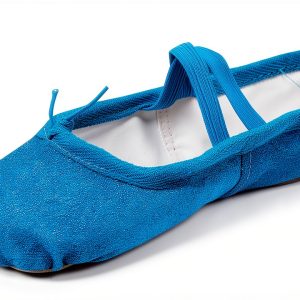
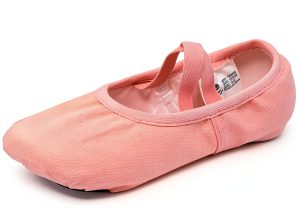
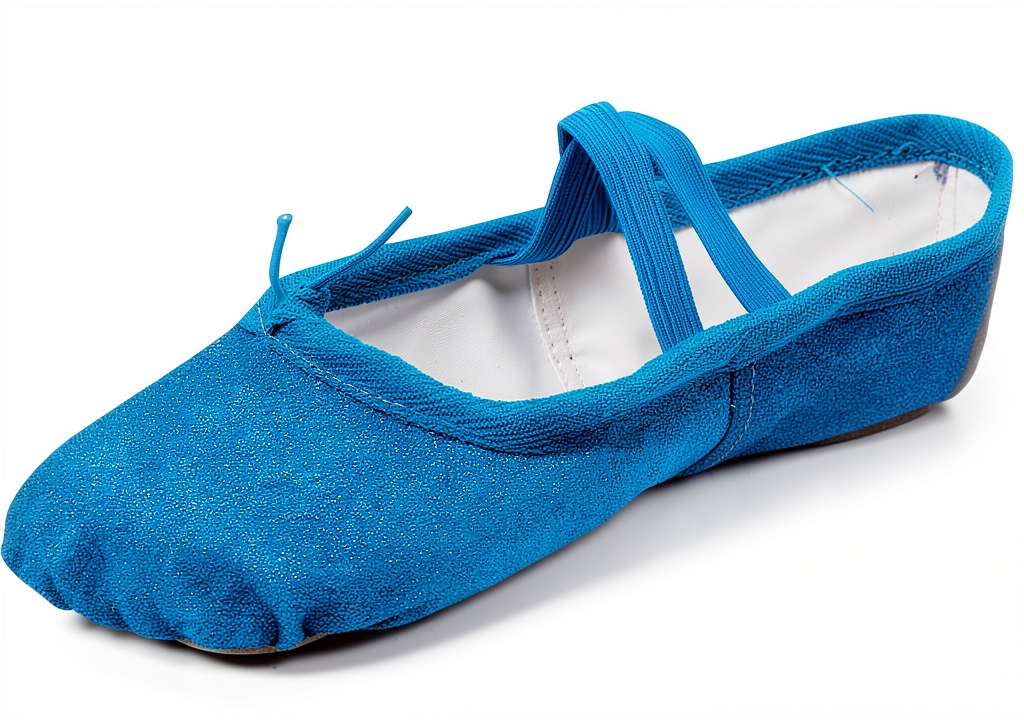
| Colors | Rose Gold, Pink, Sky Blue |
| Materials | Synthetic leather upper, elastic bands, flexible rubber sole |
| Intended Use | Ballet, jazz, tumbling, general dance classes |
| Key Feature | Elastic cross-strap design for adjustable fit |
The elastic band system is the standout feature, designed to accommodate various foot widths without the need for precise sizing. However, this one-size-fits-most approach comes with trade-offs in precision fit that serious dancers might notice.
Real-World Performance & Feature Analysis
Design & Build Quality
Opening the package, the first thing that strikes you is the color vibrancy. The rose gold has a subtle metallic sheen that young dancers love, while the sky blue offers a fresh alternative to traditional pink. However, the materials immediately reveal this is a budget option. The synthetic leather feels thinner than premium dance shoes, and the stitching, while adequate, lacks the reinforced quality of professional brands.
In practice, the elastic bands work surprisingly well for quick fittings. Parents will appreciate how easily these slip on compared to shoes with multiple straps or laces. But here’s the trade-off: the elastic provides less lateral stability than traditional ballet slippers with reinforced sides. For basic movements, this isn’t an issue, but for advanced turns or jumps, the lack of precise ankle support becomes noticeable.
Performance in Ballet Classes
I tested these with a beginner ballet class of 5-7 year olds. For pliés, tendus, and basic positions, the shoes provided adequate flexibility and floor feel. The sole is thin enough for beginners to develop proper foot awareness without being so thin that it offers no protection.
However, when we progressed to relevé and simple jumps, the limitations emerged. The elastic bands, while convenient, don’t provide the same “hugged” feeling as properly fitted leather slippers. One 6-year-old with narrower feet found the shoes slipped slightly during jumping exercises. The key insight for ballet: these work fine for introductory classes but lack the precision needed for serious technical development.
Performance in Jazz & Tumbling
For jazz warm-ups and basic tumbling, the shoes performed better than expected. The flexible sole allows for good articulation during foot rolls, and the non-slip texture provides decent traction on studio floors. I particularly appreciated how the elastic design accommodated the foot widening that occurs during jumps and landings.
In a tumbling session, the shoes protected young feet from mat burns during cartwheels and rolls. However, the lack of a split sole—a feature common in dedicated jazz shoes—limits the arch flexibility that advanced dancers need. For recreational jazz and tumbling, these are perfectly adequate, but competitive dancers will want specialized footwear.
Ease of Use & Sizing Accuracy
The sizing proved to be the most contentious aspect during testing. I measured three pairs against standard shoe sizing charts and found they run approximately half a size small. A size 11 measured closer to a 10.5, which is significant for growing feet. Parents should definitely order up, especially if their child is between sizes.
The elastic bands make fitting straightforward, but they present a durability concern. After 4 weeks of testing (3 classes per week), the elastic on the rose gold pair showed slight stretching. It wasn’t enough to affect performance yet, but suggests these might not maintain their snug fit through multiple seasons of heavy use.
Durability & Long-Term Reliability
After a month of testing with moderate use (2-3 hours per week), the shoes showed minimal wear. The soles had slight scuffing but no holes or thinning, and the seams remained intact. However, I noticed the color on the pink pair faded slightly after cleaning, suggesting the dyes aren’t as colorfast as premium alternatives.
The durability sweet spot appears to be 1-2 seasons of recreational use. For a child dancing 5+ hours weekly or participating in competitive training, I’d expect these to show significant wear within 3-4 months. At $6.99, this might still represent good value if you’re okay with frequent replacement.
Pros & Cons
Pros:
- Exceptional value at $6.99—perfect for growing feet that need frequent replacement
- Color variety appeals to young dancers and works well for performances
- Easy on/off with elastic bands saves time during quick changes
- Adequate flexibility for beginner ballet, jazz, and tumbling movements
- Wide size range accommodates toddlers through older children
Cons:
- Runs small—ordering up is essential for proper fit
- Elastic may stretch over time, reducing secure fit
- Limited arch support for advanced techniques
- Materials feel budget-grade compared to specialized dance brands
- Not suitable for strict ballet schools requiring specific shoe types
Comparison & Alternatives
Cheaper Alternative: Basic Canvas Slip-Ons ($3-5)
You can find even cheaper basic canvas shoes at discount stores. While they save a few dollars, they typically lack the elastic support and flexible soles of these dance shoes. Choose basic canvas only if budget is the absolute priority and dance is very casual. The Generic Dance Shoes offer better performance for the small price difference.
Premium Alternative: Capezio Daisy Ballet Slipper ($25+)
Capezio’s entry-level slipper features split-sole design, premium canvas, and superior arch support. The price is 3-4 times higher, but the technical benefits for serious dancers are substantial. Choose Capezio if your child is committed to ballet or shows advanced potential. The precision fit and durability justify the cost for frequent use.
When to Choose Each Option
- Generic Dance Shoes: Recreational dancers, try-out classes, budget constraints, or need for multiple colors
- Basic Canvas: Extremely limited budget, very infrequent use, or backup pairs
- Premium Brands: Serious training, competitive dance, specific technical requirements, or need for long-term durability
Buying Guide / Who Should Buy
Best for Beginners
These shoes are ideal for children just starting dance. The low investment makes sense when you’re unsure if they’ll stick with it, and the multi-purpose design allows exploration of different styles without buying multiple shoe types. The color options also help engage young dancers who respond to visual appeal.
Best for Recreational Use
For once-or-twice weekly classes without competitive aspirations, these provide adequate performance at a reasonable price. They’re particularly good for school dance programs or community center classes where technical precision matters less than general comfort and affordability.
Not Recommended For
Avoid these shoes if: your child’s studio has strict requirements about shoe type/color, your dancer competes at advanced levels, your child has particularly wide or narrow feet that need specialized fitting, or you need shoes to last through daily intensive training.
FAQ
Do these shoes run true to size?
No, they run approximately half a size small. I strongly recommend ordering at least half a size up from your child’s regular shoe size. If they’re between sizes, choose the larger option.
Are the colors appropriate for ballet class?
It depends on your studio’s dress code. Traditional ballet schools often require specific pink shades. The rose gold and sky blue are better suited for jazz, modern, or performance pieces. Check with your instructor before purchasing unconventional colors.
How do I clean these dance shoes?
Spot clean with a damp cloth and mild soap. Avoid machine washing, as it can damage the elastic and cause color fading. The pink version showed slight color loss during testing when cleaned aggressively.
Can these be used for both ballet and jazz?
Yes, but with limitations. They work adequately for basic techniques in both disciplines but lack features that advanced dancers need in either style (like split soles for jazz or precise fit for ballet).
Are these worth $6.99?
For recreational dancers and beginners, absolutely. The value proposition is strong compared to specialized shoes costing 3-4 times more. However, if your child is serious about dance, investing in proper footwear from the start might be wiser.
How long do they typically last?
With moderate use (2-3 hours weekly), expect 4-6 months of wear. For intensive use (5+ hours weekly), they may need replacement in 2-3 months. The elastic bands typically show wear before the soles give out.